
Maximizing storage in small kitchens is a common challenge, particularly when dealing with cramped areas like under the sink and inside cabinets. These spaces often become clutter zones due to plumbing obstacles and limited accessibility.
1. Understanding the Constraints of Under-Sink and Cabinet Areas
Under-sink cabinets present unique challenges because of plumbing pipes and limited depth, making it hard to use standard shelving effectively. Similarly, traditional cabinets may have tall vertical spaces that go unused, or shelf areas that are difficult to reach in the back. This often results in wasted space and cluttered cabinets that decrease kitchen efficiency.
Recognizing these obstacles is the first step. Plumbing fixtures reduce usable volume, while bulky cleaning products or loose items can quickly cause disorder. Without specialized organizing systems, these areas can remain underutilized despite their potential.
2. Pull-Out Drawers: Enhancing Accessibility and Organization
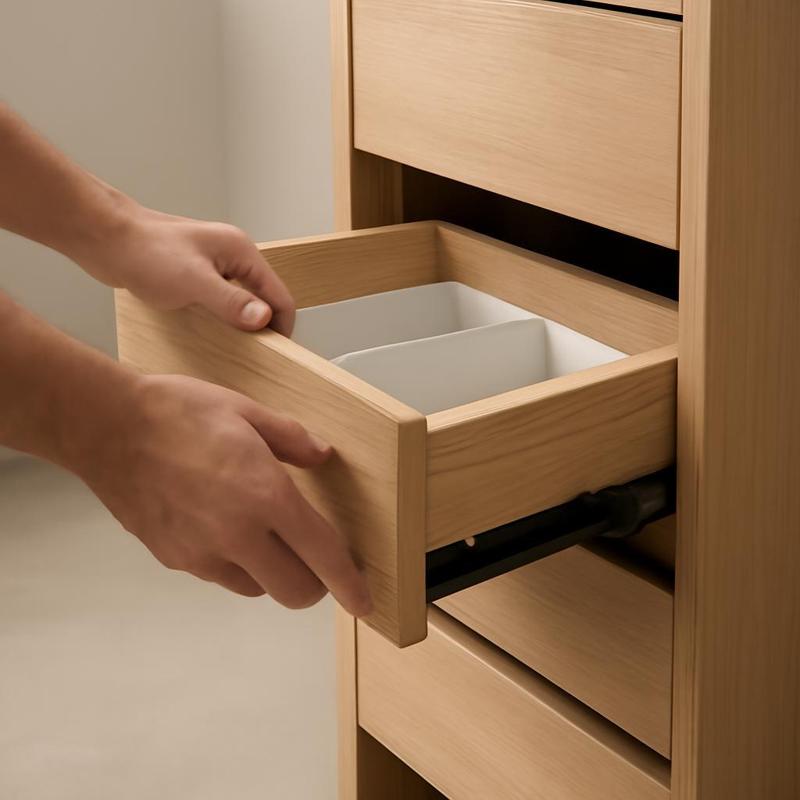
One of the most practical solutions for under-sink and cabinet storage is the installation of pull-out drawers. These sliding trays allow you to pull the entire shelf out, providing full visibility and easy access to your items. This means no more bending or reaching into dark corners to find cleaning supplies or kitchen gadgets.
Pull-out drawers come in various sizes and styles to fit snugly around plumbing pipes and accommodate different cabinet dimensions. Using these drawers, you can segregate items by category – for example, dedicating one drawer for cleaners and another for dishwashing tools.
Investing in adjustable pull-out drawers further increases flexibility, as you can modify shelf heights or dividers to store taller bottles or irregularly shaped items. For a tailored approach, consider exploring adjustable kitchen organizers that help customize these pull-out solutions efficiently.
3. Adjustable Organizers: Tailoring Space to Your Needs
Adjustable organizers serve as versatile tools in optimizing under-sink and cabinet storage. These typically include expandable shelving units, sliding racks, and modular baskets that can be reconfigured according to the size of your stored items.
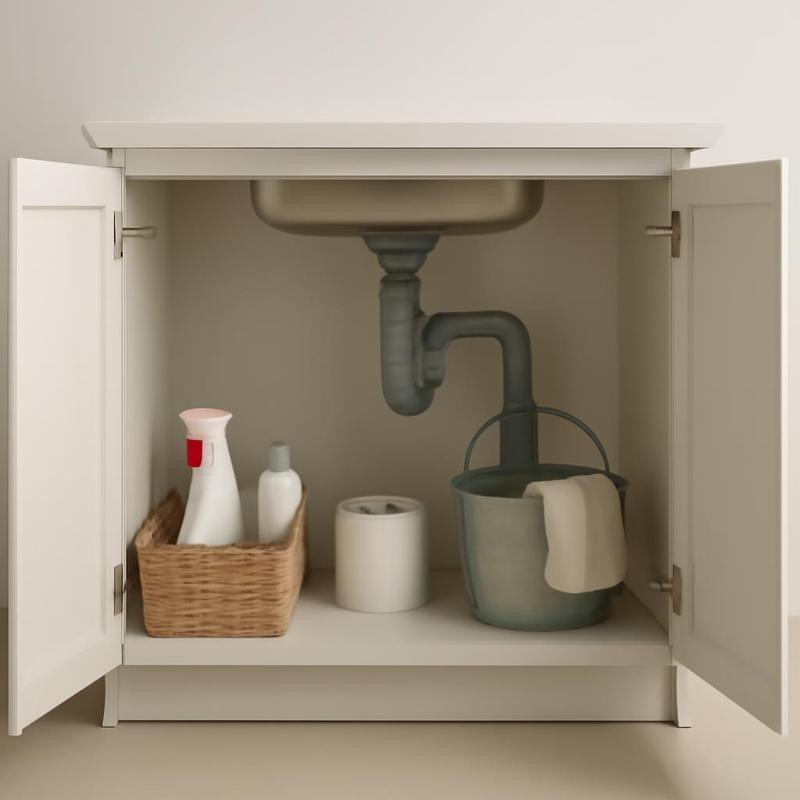
For example, an adjustable shelving system with multiple levels allows you to stack pots, pans, or cleaning caddies vertically without losing access. This method not only increases visible storage space but also helps keep everything orderly.
These organizers are especially useful for renters or those hesitant about permanent installations. Adjustable units offer flexibility without damaging cabinets and can be repositioned as your storage needs evolve. To find practical options, check out the selection of adjustable kitchen organizers.
4. Door-Mounted Racks: Unlocking Hidden Storage
The inside of cabinet doors is often overlooked as a valuable storage area. Door-mounted racks or organizers can transform this unused space into accessible storage niches for smaller items such as plastic wraps, brushes, sponges, or cleaning sprays.
These racks attach directly to the cabinet door, freeing up main shelf space. For kitchens requiring damage-free solutions, no-drill adhesive organizers are an excellent choice to maximize this area without compromising cabinet integrity.
By deploying door-mounted storage, you reduce clutter on cabinet shelves and keep frequently needed items within arm’s reach. Explore door-mounted organizers and adhesive no-drill organizers to employ these solutions effectively in your kitchen.
5. Stackable Shelves: Maximizing Vertical Space Efficiently
Another clever method for small kitchen storage is using stackable shelves, which utilize the vertical space within cabinets. These shelves allow you to create multiple tiers inside a single cabinet, effectively doubling your usable area.
Stackable shelves come in different heights and materials, fitting both metal and wooden cabinet interiors. They are particularly useful for storing plates, bowls, or containers, helping you keep items neatly separated and preventing pile-ups.
For under-sink storage, stackable shelves can be used alongside pull-out drawers or adjustable organizers to fully maximize every cubic inch around plumbing obstructions.
To further optimize under-sink storage, consider using tension rods to create hanging space for spray bottles. Installing a tension rod across the width of the cabinet allows bottles to hang by their necks, freeing up the base for other items. This arrangement prevents bottles from cluttering the bottom and makes them easier to grab without disturbing other supplies.
In cabinet spaces, using stackable bins or clear containers can simplify organization by grouping similar items together. Labeling these containers enhances visibility, so you can quickly identify contents without rummaging through clutter. This method is especially effective for small items like spice jars, packets, or cleaning supplies.
Magnetic strips installed inside cabinet doors or on the cabinet sides offer a clever way to store metal utensils or small tools securely. This free-standing solution maximizes vertical space and keeps items within easy reach.
Finally, when adding storage solutions, always measure your cabinet interior precisely to ensure a perfect fit of organizers or pull-out systems. Consider the weight capacity of shelves and drawers as well, particularly when storing heavy items like large pots or detergent containers.
6. Summary: Transforming Tight Kitchen Spaces with Smart Storage
Effectively organizing small kitchen areas under the sink and inside cabinets requires understanding common challenges and smart solutions. Pull-out drawers improve accessibility, adjustable organizers tailor space for varying items, door-mounted racks unlock hidden storage spots, and stackable shelves maximize vertical cabinet space.
By integrating these practical approaches, you can convert cramped, cluttered areas into efficient storage hubs. For a carefully curated selection of storage products designed to tackle these challenges, KitchenEase provides a range of organizers and racks to help you optimize every kitchen inch.
Embracing these methods will not only enhance your kitchen’s usability but also maintain a clean, orderly atmosphere that makes cooking and cleaning more enjoyable.